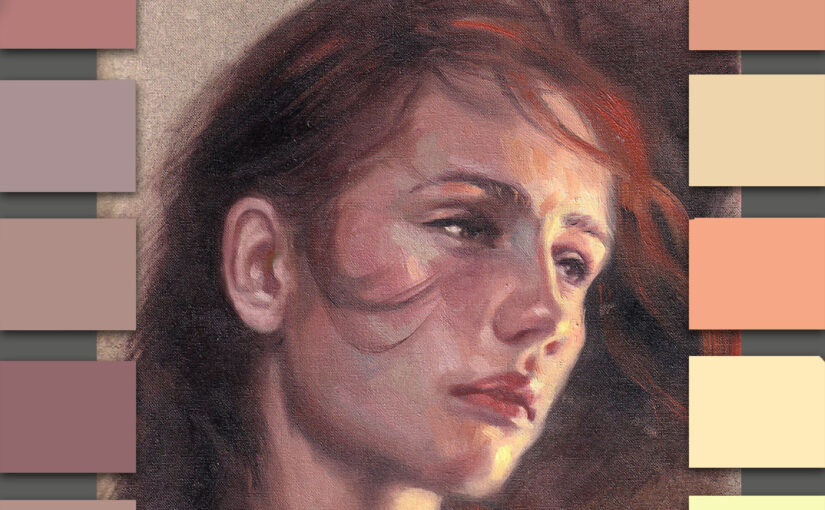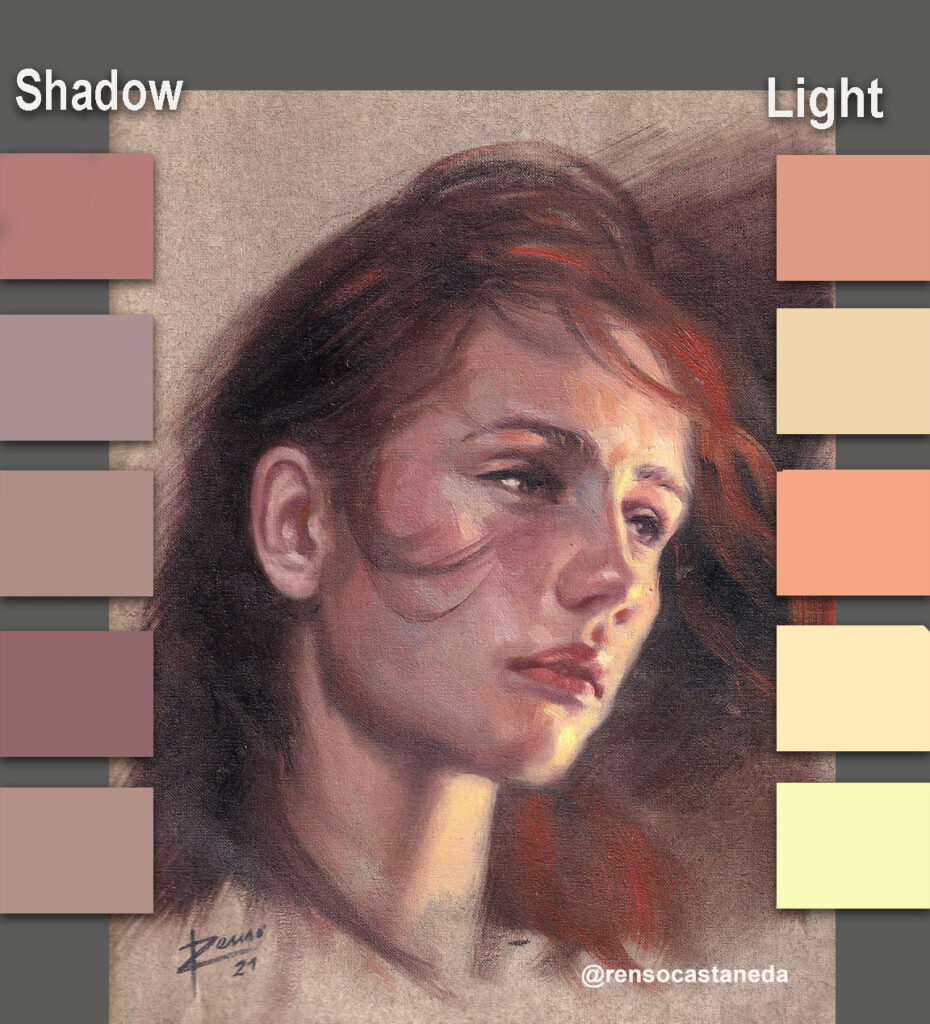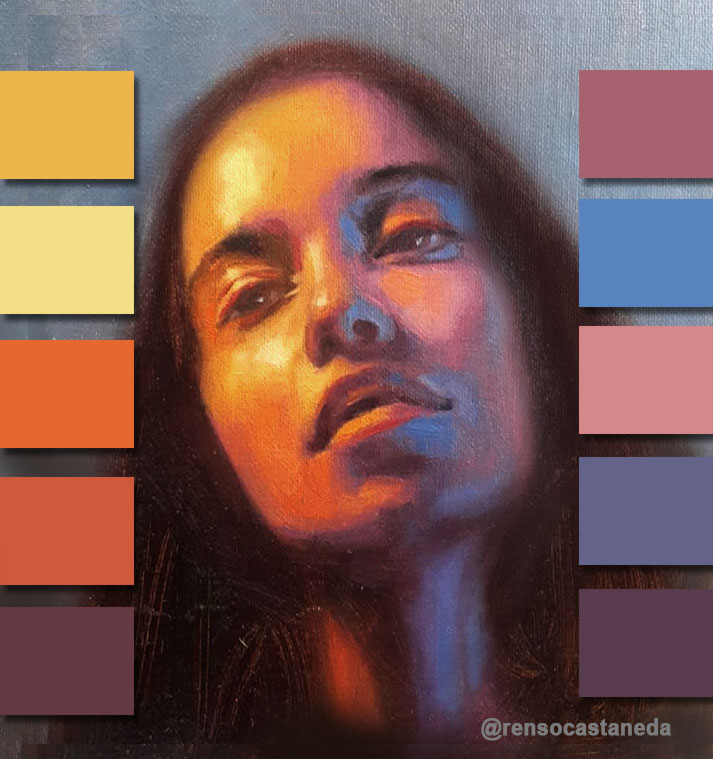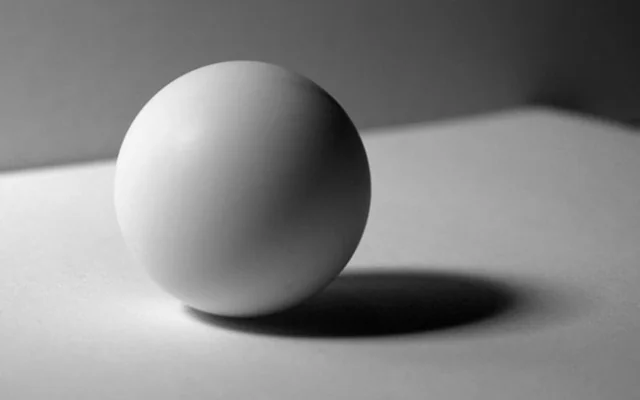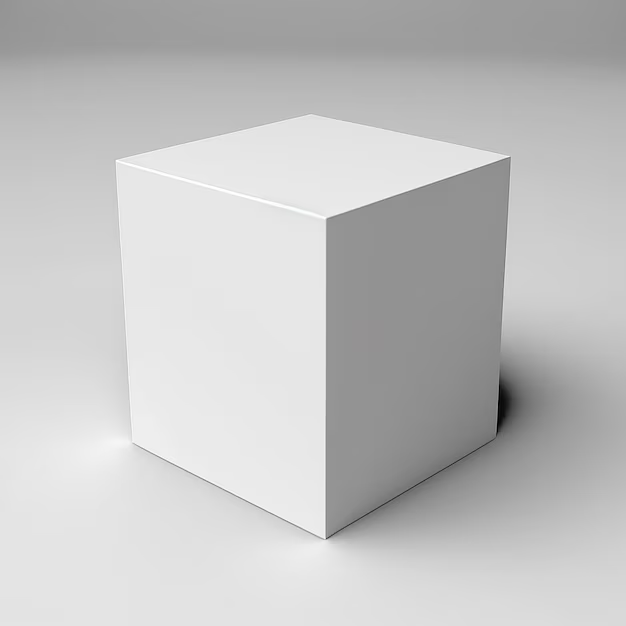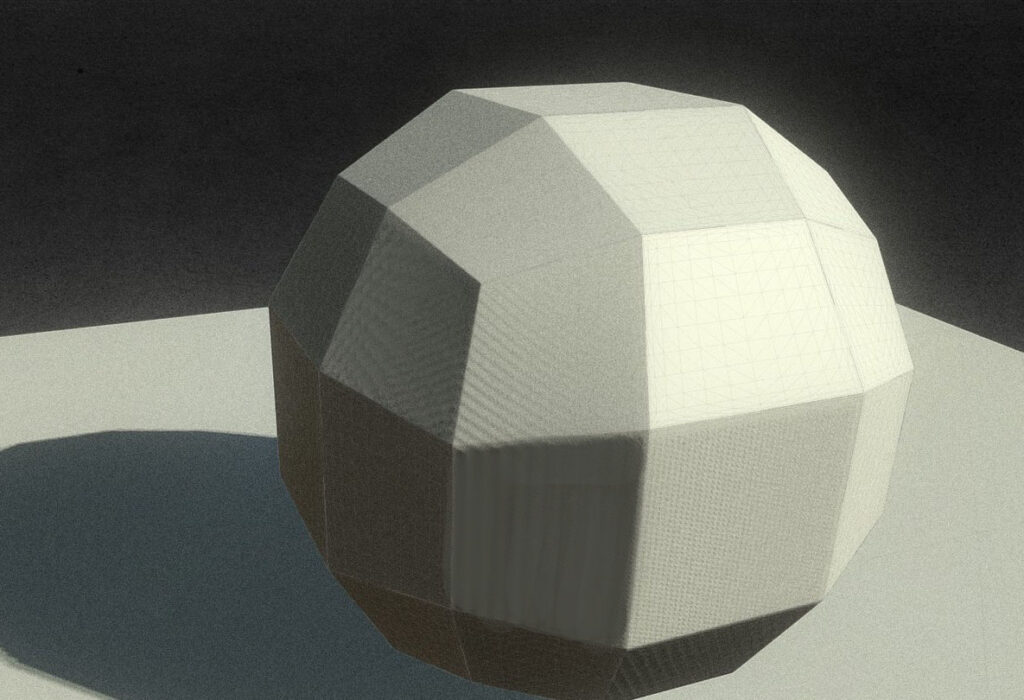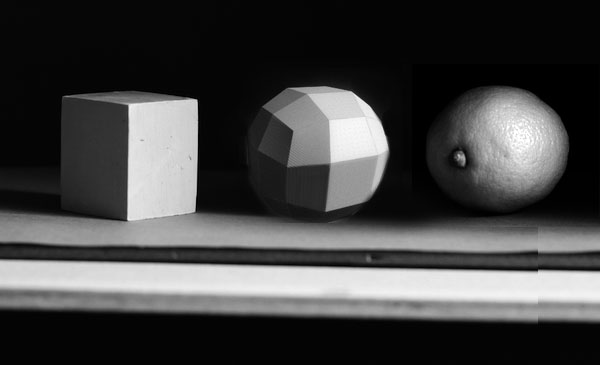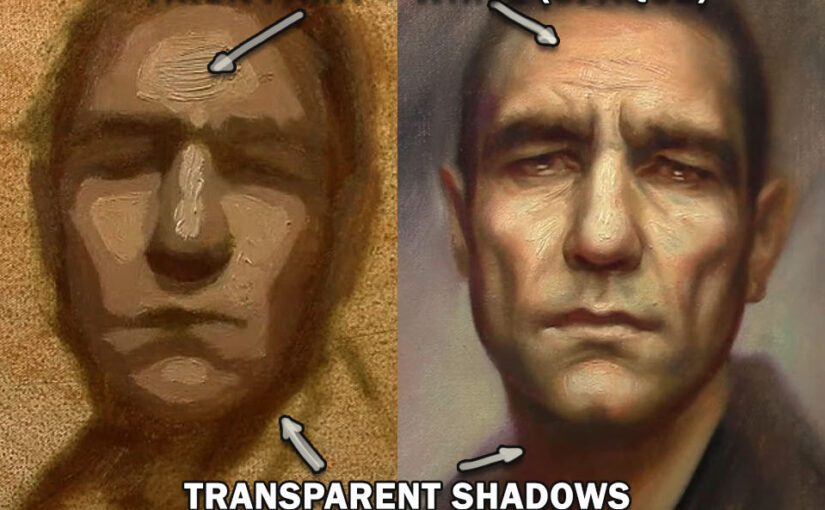
The Artistic Principle of Transparent Shadows and Opaque Lights in Oil Painting

Struggling with your portraits? You might find my E-book helpful. Click here

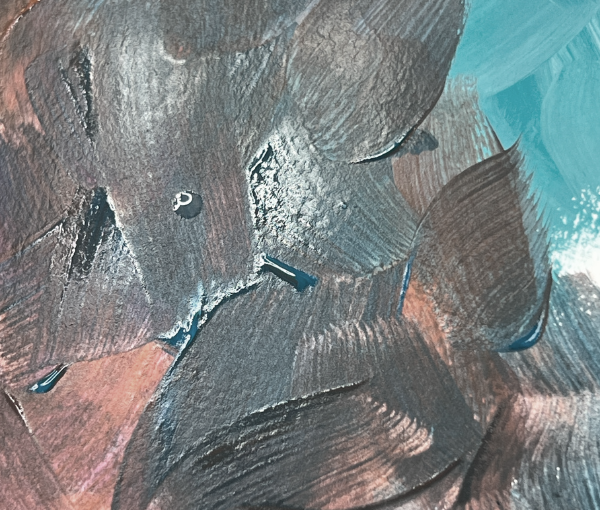
In oil painting, one of the most enduring techniques for achieving luminosity and depth is the deliberate use of transparent shadows and opaque lights. This method is not just a stylistic choice but a fundamental principle rooted in the behavior of light, the physical properties of oil paint, and centuries of artistic tradition. Understanding why shadows are painted transparently and lights opaquely can transform an artist’s approach to realism, atmosphere, and three-dimensional form.

1. The Physics of Light and Material Interaction

Light interacts with surfaces in two primary ways:

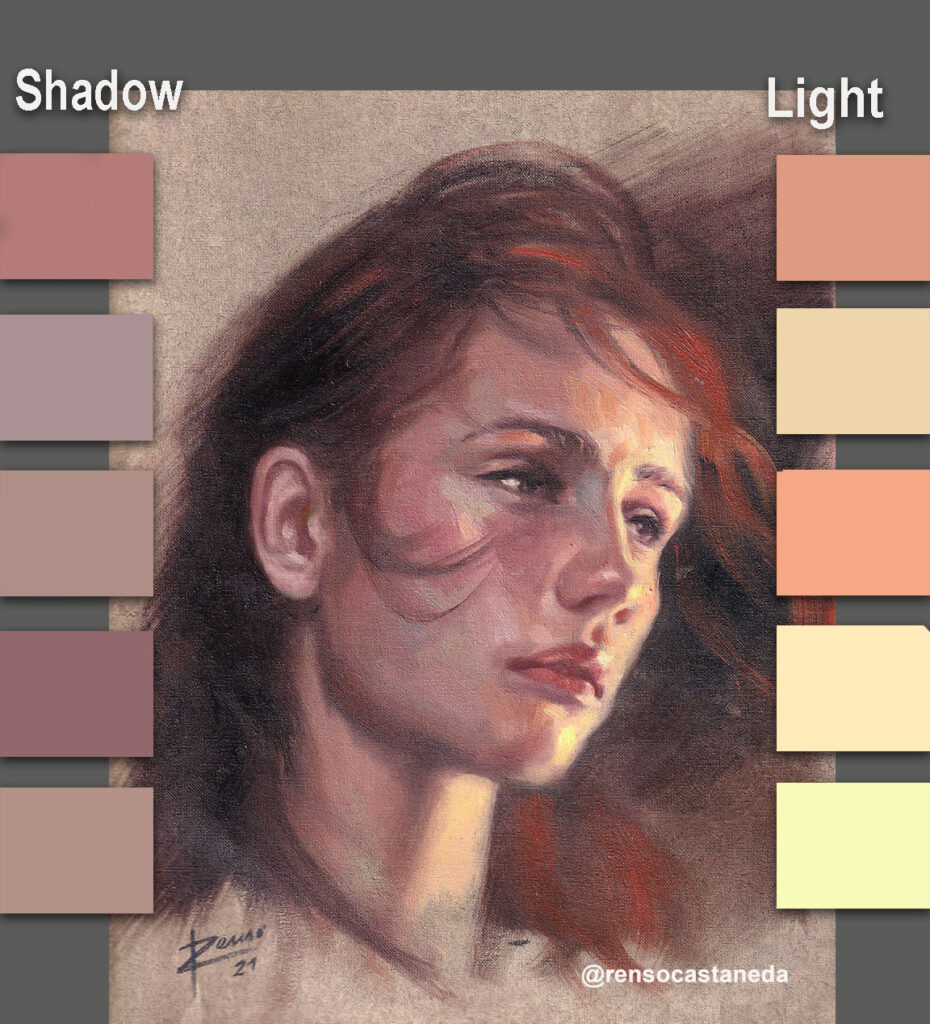
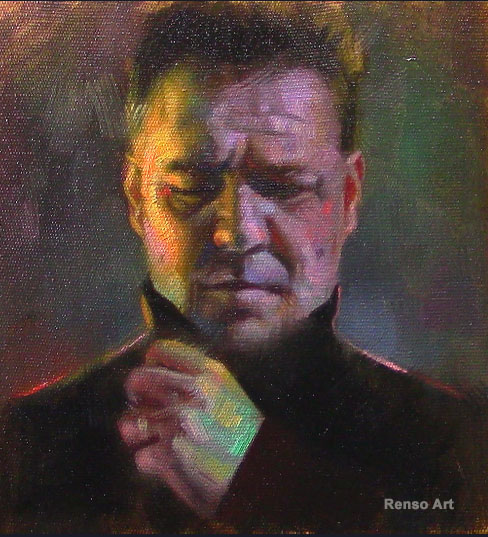
  • Direct light (opaque highlights) – When light strikes an object, the brightest areas appear solid and dense because they reflect the most light. Thick, opaque paint mimics this effect, making highlights stand forward.
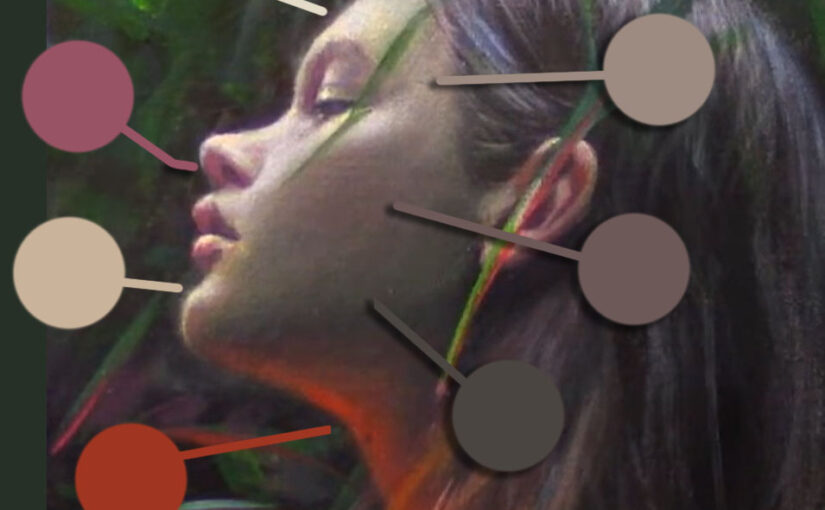
  • Shadows (transparent darks) – Shadows are areas where light is blocked or diffused. Since shadows are not light sources but rather the absence of light, they naturally appear softer, deeper, and more atmospheric. Transparent paint layers (glazes) replicate this effect by allowing underlying colors to subtly influence the shadow tones.

This contrast between solid lights and translucent shadows creates a convincing illusion of volume.
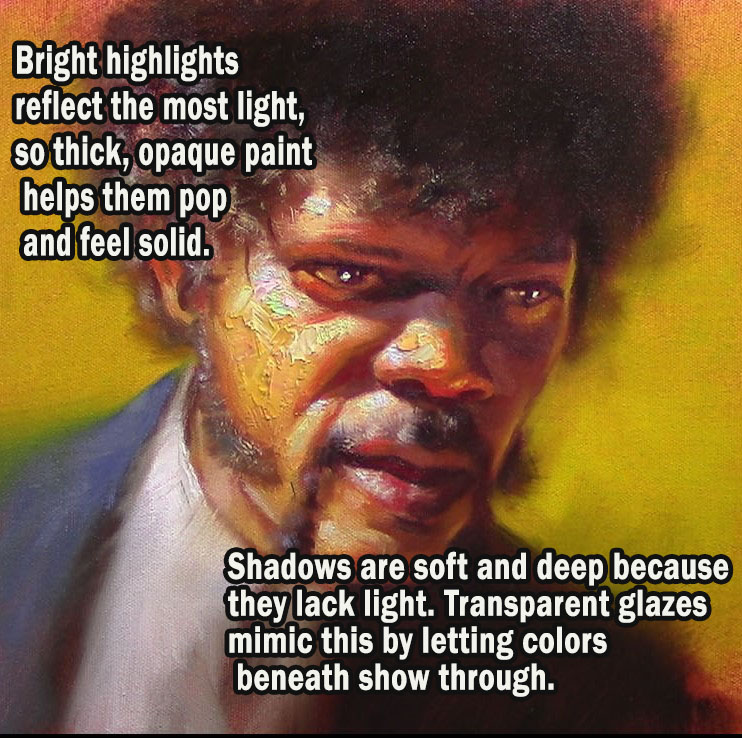
Transparent Shadows and Opaque Lights

2. Historical Use in Oil Painting Techniques

Old Masters such as Rembrandt, Caravaggio, and Vermeer mastered this principle through layered techniques:

A. Glazing for Shadows

  • Shadows were built up using transparent glazes—thin layers of dark pigment mixed with a medium (such as linseed oil or varnish).
  • Glazing allowed shadows to retain depth without becoming chalky or flat. For example, Caravaggio’s deep blacks were not pure black paint but multiple layers of transparent browns and blues, giving richness and luminosity.
  • Since oil paint dries slowly, artists could blend and adjust shadows while keeping them soft and atmospheric.

B. Impasto for Lights

  • Highlights were applied opaquely, often with thicker paint (impasto) or even with a palette knife.
  • Rembrandt’s golden highlights, for instance, were built up with lead white or thick strokes of light-colored paint, catching real light to enhance the illusion of illumination.
  • Opaque lights create texture and emphasize the solidity of forms, making them appear to emerge from the canvas.
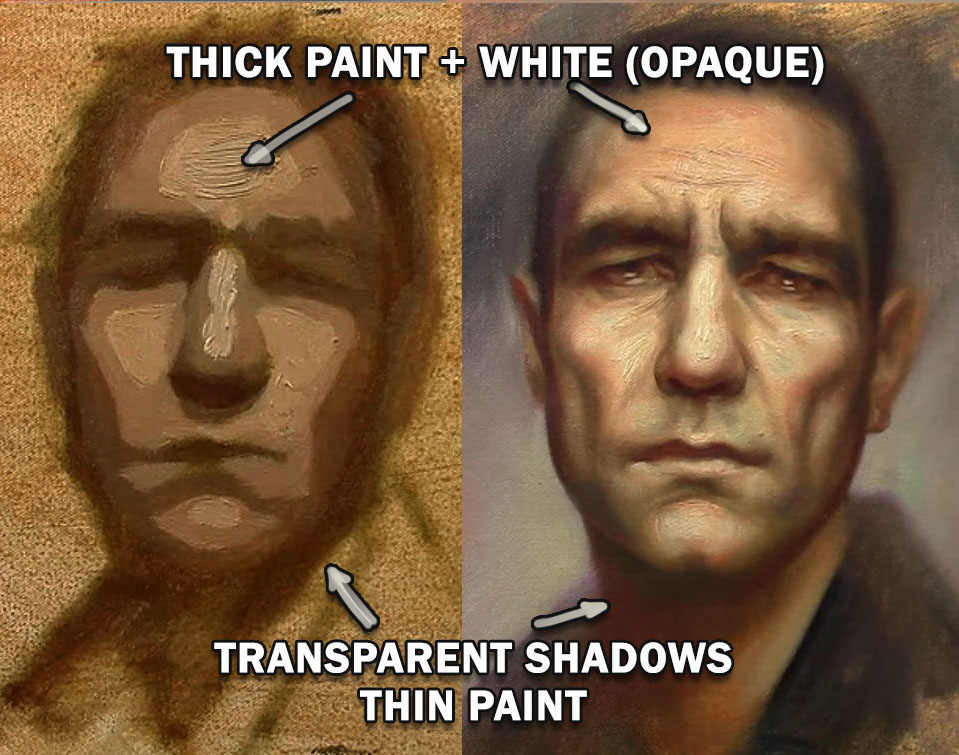
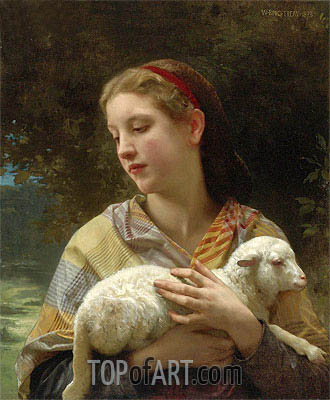
transparent shadows and opaque lights

3. Practical Advantages in Oil Painting

A. Preserving Luminosity

  • If shadows were painted opaquely, they could appear dull and lifeless. Transparent glazes allow light to pass through and reflect off lower layers, maintaining a sense of inner glow.
  • Conversely, opaque lights ensure that highlights remain bright and crisp, rather than getting lost in translucent layers.

B. Controlling Depth and Atmosphere

  • Thin, transparent shadows recede, enhancing the sense of space.
  • Thick, opaque lights advance, creating a dynamic push-pull effect that guides the viewer’s eye.

C. Avoiding Muddy Colors

  • Mixing opaque pigments into shadows can make them appear chalky or desaturated. Glazing keeps shadows clean and deep.
  • Opaque lights, when kept pure, prevent highlights from becoming murky when layered over darker tones.

4. Modern Applications and Variations

While this technique is rooted in classical painting, contemporary oil artists still use it:

  • Alla Prima (Wet-on-Wet) Painting – Artists like Richard Schmid maintained transparent shadows by keeping dark areas thin and lights thick, even in rapid plein air work.
  • Indirect Layering – Some painters start with an opaque underpainting (grisaille or imprimatura) and then glaze shadows over it for depth.
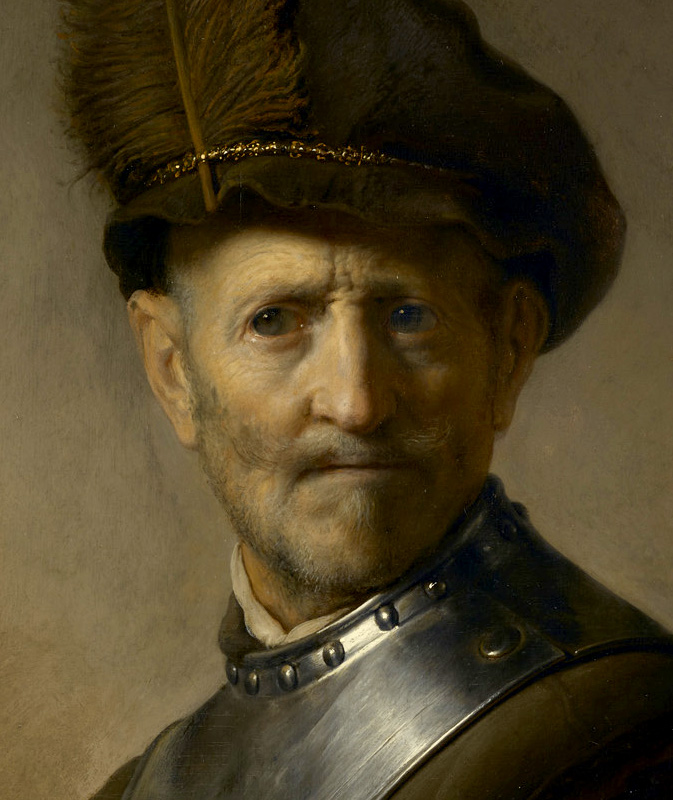
transparent shadows and opaque lights
An Old Man in Military Costume; Rembrandt Harmensz. van Rijn (Dutch, 1606 – 1669); about 1630 – 1631; Oil on panel; 65.7 × 51.8 cm (25 7/8 × 20 3/8 in.); 78.PB.246

Conclusion: A Timeless Method for Realism and Drama

The principle of transparent shadows and opaque lights is not arbitrary—it is a reflection of how light behaves in nature, optimized through centuries of oil painting practice. By using glazes for shadows and impasto for highlights, artists achieve:
Greater depth and three-dimensionality
Luminous, atmospheric shadows
Vibrant, textured highlights

Whether working in the style of the Old Masters or experimenting with modern techniques, mastering this balance remains essential for any oil painter seeking realism and emotional impact in their work.
Choosing the Right Brushes for Oil Painting

Struggling with your portraits? You might find my E-book helpful. Click here

If you’re just starting out with oil painting, choosing the right brushes is essential. Like any craft, using the right tools will make the process smoother and more enjoyable.

Why Brush Choice Matters

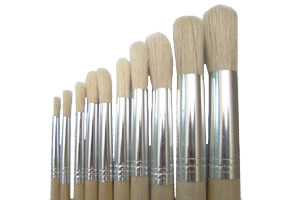
From my experience as a teacher, I’ve noticed that most beginners don’t give much thought to brushes. They usually buy the cheapest ones—often bristle brushes—without realizing how much this affects their painting.

If you were my student, I would ask you to buy two sets of brushes:

  1. Bristle brushes (for rough, bold strokes and first layers)
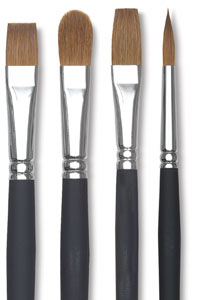
  2. Synthetic or sable brushes (for blending and fine details)

Many students struggle with blending because they try to achieve a smooth finish with bristle brushes, which is not possible. I constantly remind them to switch brushes until they develop the habit of using the right one for the job.

If you’re a beginner, don’t feel bad if you make this mistake at first—it takes time to get used to it.


Organizing Your Brushes

To make things easier, separate your brushes:

  • Bristle brushes (hard) → one jar
  • Sable or synthetic brushes (soft) → another jar

This way, you’ll automatically reach for the right tool as you paint.


Brush Types and Painting Styles

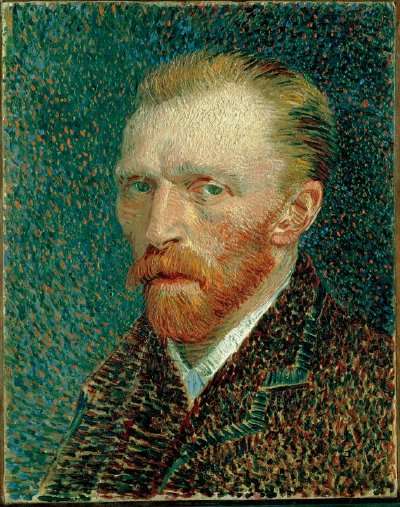
🎨 If you want to paint like Van Gogh → Use bristle brushes.

  • These hold more paint and create bold, visible brushstrokes.
  • Perfect for expressive, textured painting.

🎨 If you want a smooth, classical finish like Bouguereau → Use sable or synthetic brushes.

  • These allow for soft blending and fine details.
  • Ideal for realistic portraits and delicate shading.

I personally only use synthetic brushes—I don’t want to support the use of animal hair. Synthetic brushes today are excellent and can achieve the same smoothness as natural sable brushes.


Buying Brushes: What to Look For

📌 Don’t buy too many at once!

  • Some soft brushes lose their shape when loaded with oil paint.
  • Others are too stiff and remove paint instead of laying it down.
  • Some leave unwanted marks on the canvas.

The only way to know if a brush is good for your style is to test it.

🔹 I personally buy brushes often, but never in bulk. I usually get one or two new brushes to test them. Over time, I’ve discovered amazing cheap brushes that work just as well as expensive ones.

With experience, you’ll learn to choose the right brush just by touching the bristles. You’ll know which brush to use for:
✔️ Painting backgrounds
✔️ Blending skin tones in a portrait
✔️ Achieving texture vs. smoothness


Final Thoughts

The right brush makes a huge difference in your oil painting journey. By using bristle brushes for texture and soft brushes for blending, you’ll have better control over your technique.

And remember: Experiment! Finding the right brush is part of the fun. 🎨

Support my Art Journey At not cost to you buying Art materials You use from my Amazon Store: https://www.amazon.com/shop/rensoart

The Role of Background Color in Painting

Struggling with your portraits? You might find my E-book helpful. Click here

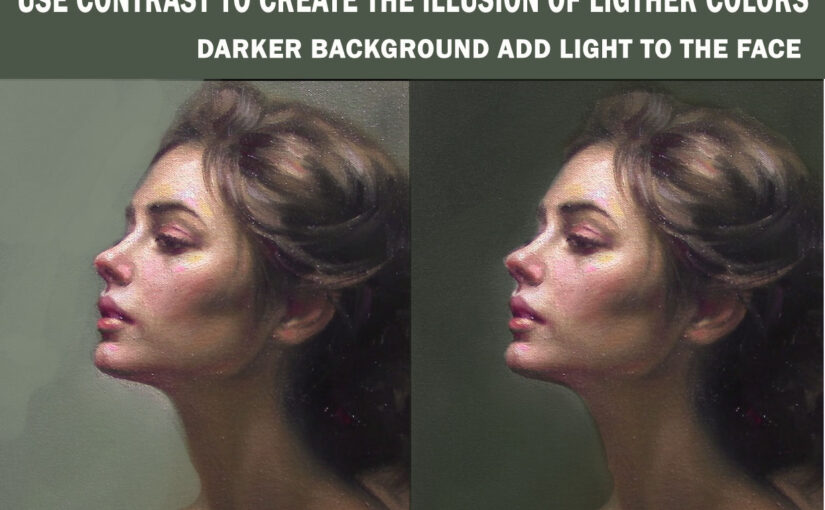
Have you ever wondered why some paintings have such harmonious and striking colors, while your own paintings might lack the same vibrancy? Many artists initially assume that the brand of oil paint or the thickness of application is the key to achieving those rich colors. While these factors do play a role, the true secret lies in the contrast between the subject and the background.

The Background as the Foundation

Next time you observe a painting, start by analyzing the background. The background colors set the stage, creating the contrast that makes the subject’s colors shine. Without the right background, the subject’s colors won’t appear as vivid or soft as intended.

An artist must study color contrast to control the mood and intensity of a painting—whether creating bold, vibrant effects or gentle, subtle tones.

Understanding Color Contrast

1. Complementary Color Contrast

One of the most powerful types of contrast is complementary contrast—where two opposite colors on the color wheel are placed together. This creates high contrast, making the smaller or less dominant color appear even more intense.

Examples of complementary pairs:

  • Yellow & Violet
  • Orange & Blue
  • Red & Green

This doesn’t mean you must use these colors in their pure form. For example:

  • An ocher vase will contrast well with blue-violet.
  • A pink subject will stand out against a blue-green background.

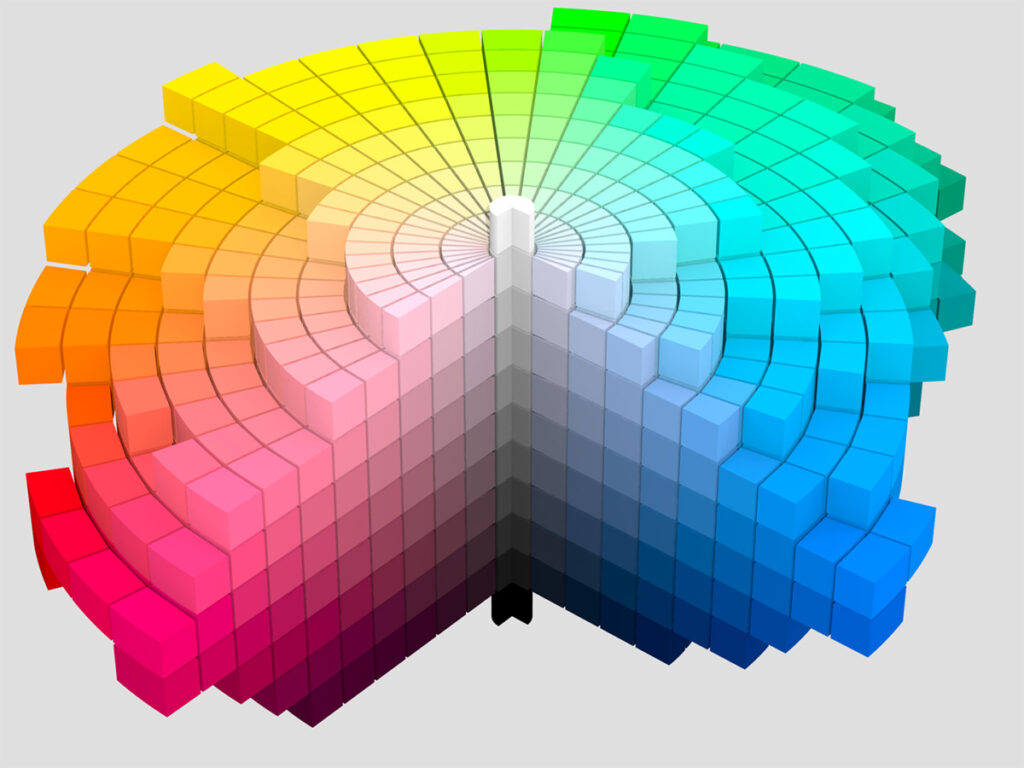
Using a large color wheel can help you find more complementary color combinations for your paintings.

Rule of Thumb: For the best effect, one color should take up more space than the other. If both are equally distributed, they will compete for attention rather than create harmony.

2. Light-Dark Contrast

Colors change drastically depending on the surrounding colors.

  • A light color will appear brighter if placed against a dark background.
  • A dark color will seem darker when surrounded by light tones.

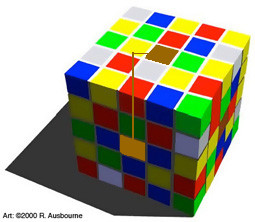
Let’s take a cube example:

🟧 Ocher Square Example: Even though both squares are the exact same color, they appear different based on their surroundings. This shows how important background selection is when designing a composition.


Practical Application in Painting

When planning your painting, think about shape, size, color, and contrast between the subject and background.

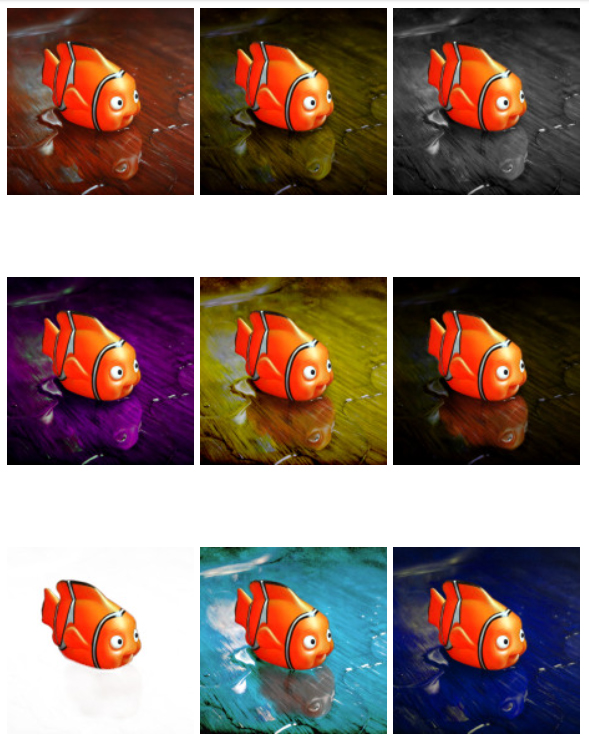
In my own painting of a Nemo toy, I experimented with different backgrounds:

  • First, I placed it on a gray concrete floor—but the contrast was too weak.
  • Then, I tried a blue cloth—this improved color contrast but didn’t enhance texture.
  • Finally, I chose a wooden table with visible strands and grain. The rough wood texture contrasted with Nemo’s smooth surface, enhancing not just color contrast but also tactile contrast (soft vs. rough).

Lesson: The right background not only improves color contrast but also enhances the visual and textural impact of a painting.


Final Thoughts

Understanding color contrast and background choices will take your oil paintings to the next level. By carefully selecting complementary colors, light-dark relationships, and textural contrasts, you can control the mood, depth, and harmony of your artwork.

Next time you plan a composition, start with the background—because the foundation of great color begins before the first brushstroke on your subject. 🎨

The Relationship Between Distance and Contrast in Painting: A Comprehensive Guide

Struggling with your portraits? You might find my E-book helpful. Click here

In painting, creating a convincing sense of depth relies on understanding how objects change as they recede into the distance. Two key factors in this illusion are contrast and color saturation. By observing how light and atmosphere affect visibility, artists can replicate these effects to enhance realism and three-dimensionality in their work.
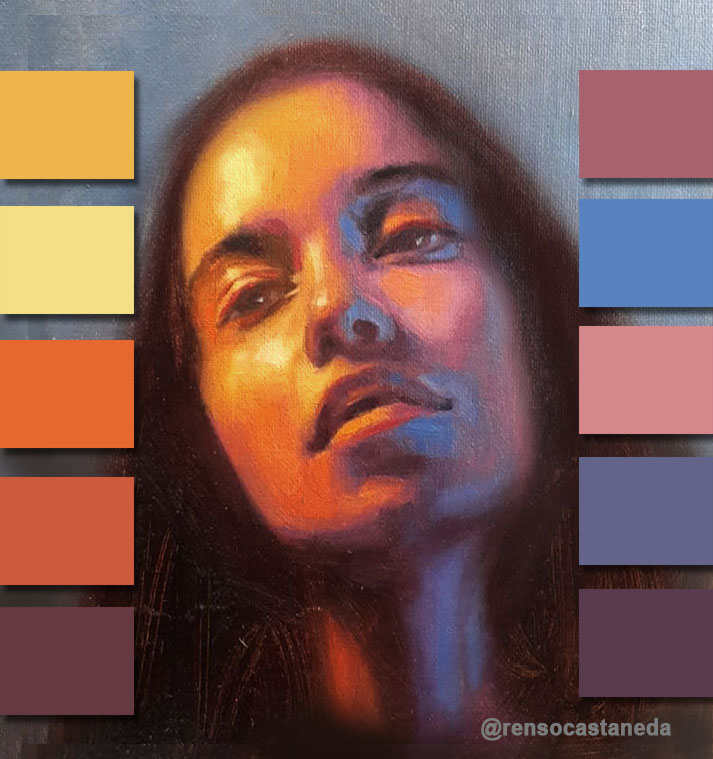
This guide explores:

  • The science behind contrast and distance
  • The role of atmospheric perspective
  • How color temperature and saturation shift with distance
  • Composition techniques to reinforce depth
  • Practical applications in different painting styles

1. The Science of Contrast and Distance

Why Do Nearby Objects Have Stronger Contrast?

When an object is close to the viewer:

  • Shadows are darker and more defined (due to direct, undiffused light).
  • Highlights are sharper (reflections appear more concentrated).
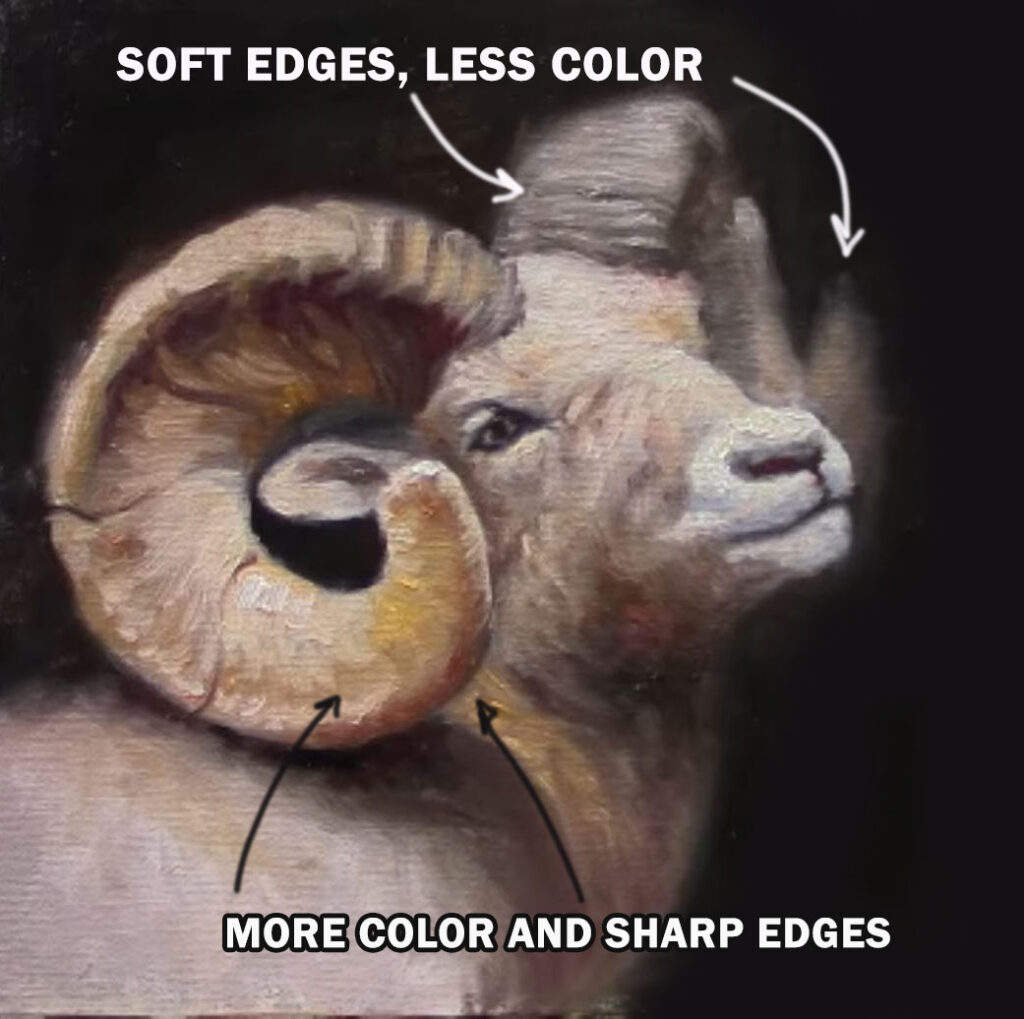
  • Edges remain crisp (less atmospheric interference).

As objects move further away:

  • Contrast decreases (shadows lighten, highlights soften).
  • Details blur (edges become less distinct).
  • Textures fade (fine lines and surface imperfections disappear).

This phenomenon occurs because light scatters as it travels through air, blending shadows and highlights into midtones.

Relationship Between Distance and Contrast in Painting

Atmospheric Perspective (Aerial Perspective)

Leonardo da Vinci was among the first to study atmospheric perspective, noting that distant landscapes appear:

  • Lighter in value (due to scattered light).
  • Bluer or grayer (because short-wavelength blue light disperses more).
  • Less detailed (particles in the air act like a soft-focus filter).

This effect is strongest in:

  • Landscapes (mountains, forests, skies).
  • Urban scenes (distant buildings fade into haze).
  • Seascapes (horizon lines blend with the sky).
Relationship Between Distance and Contrast in Painting

2. How Color Changes with Distance

Color Saturation and Value Shifts

  • Nearby objects:
  • Colors are more saturated (vivid and intense).
  • Warmer hues (reds, oranges, yellows) dominate.
  • Shadows retain their local color (e.g., a red apple keeps its deep red shadows).
  • Distant objects:
  • Colors become desaturated (muted, milky, or grayish).
  • Cool tones (blues, purples) dominate due to Rayleigh scattering (the same effect that makes the sky blue).
  • Shadows lose their chromatic intensity, blending into the ambient light.

Practical Applications

  • Landscape painters often glaze distant hills with thin, cool layers.
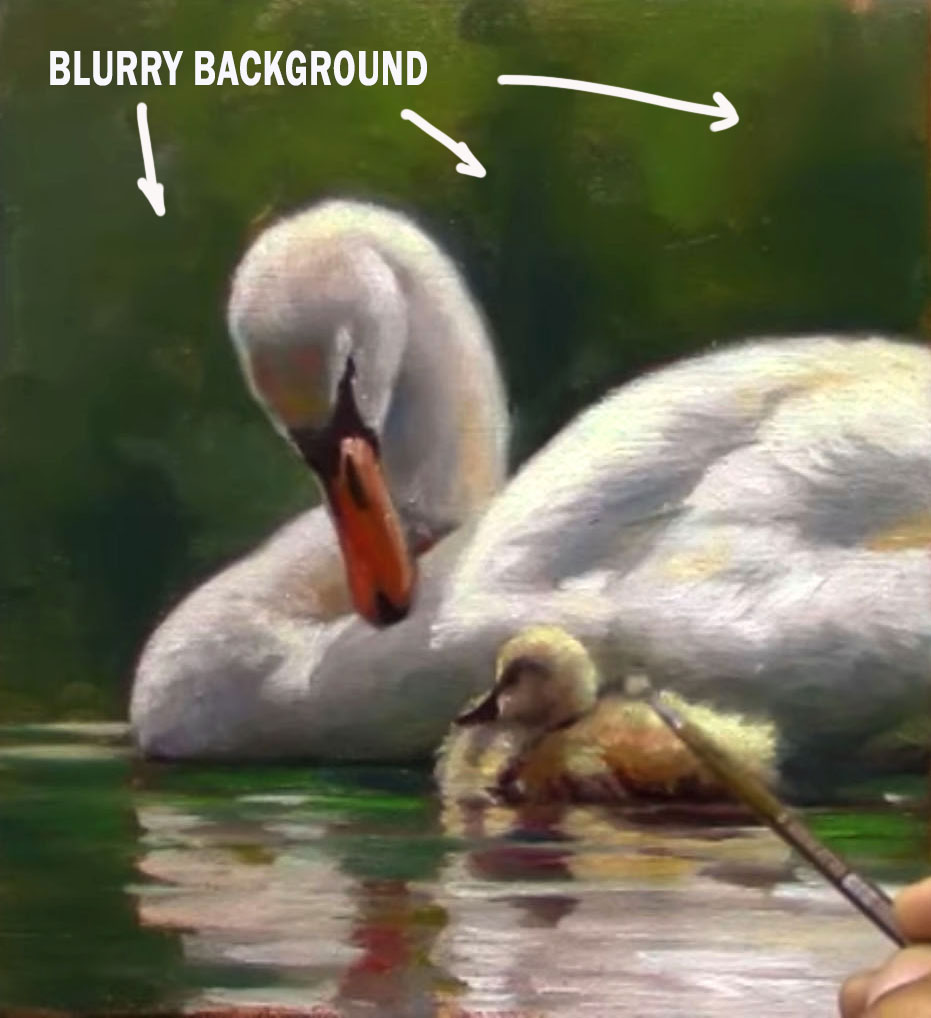
  • Portrait artists soften background edges to push them back in space.
  • Still life painters use warmer, richer colors in foreground objects.
Relationship Between Distance and Contrast in Painting

3. Composition and Depth Cues

Positioning Objects for Depth

Our brains interpret depth based on placement:

  • Lower in the frame = closer (we perceive objects near the bottom as being in front).
  • Higher in the frame = farther (distant objects appear elevated, like mountains).

Additional Depth Cues

  • Overlapping forms – An object blocking another reinforces spatial order.
  • Size scaling – Smaller objects appear further away.
  • Linear perspective – Converging lines (e.g., roads, buildings) enhance depth.

4. Applying These Principles in Different Painting Styles

Realism & Traditional Painting

  • Glazing techniques build atmospheric haze in layers.
  • Soft vs. hard edges separate foreground from background.
  • Temperature contrast (warm foreground vs. cool background).

Impressionism & Expressive Painting

  • Broken color (using separate brushstrokes for distant vs. near elements).
  • Exaggerated color shifts (e.g., Monet’s use of violet shadows in faraway objects).

Digital & Concept Art

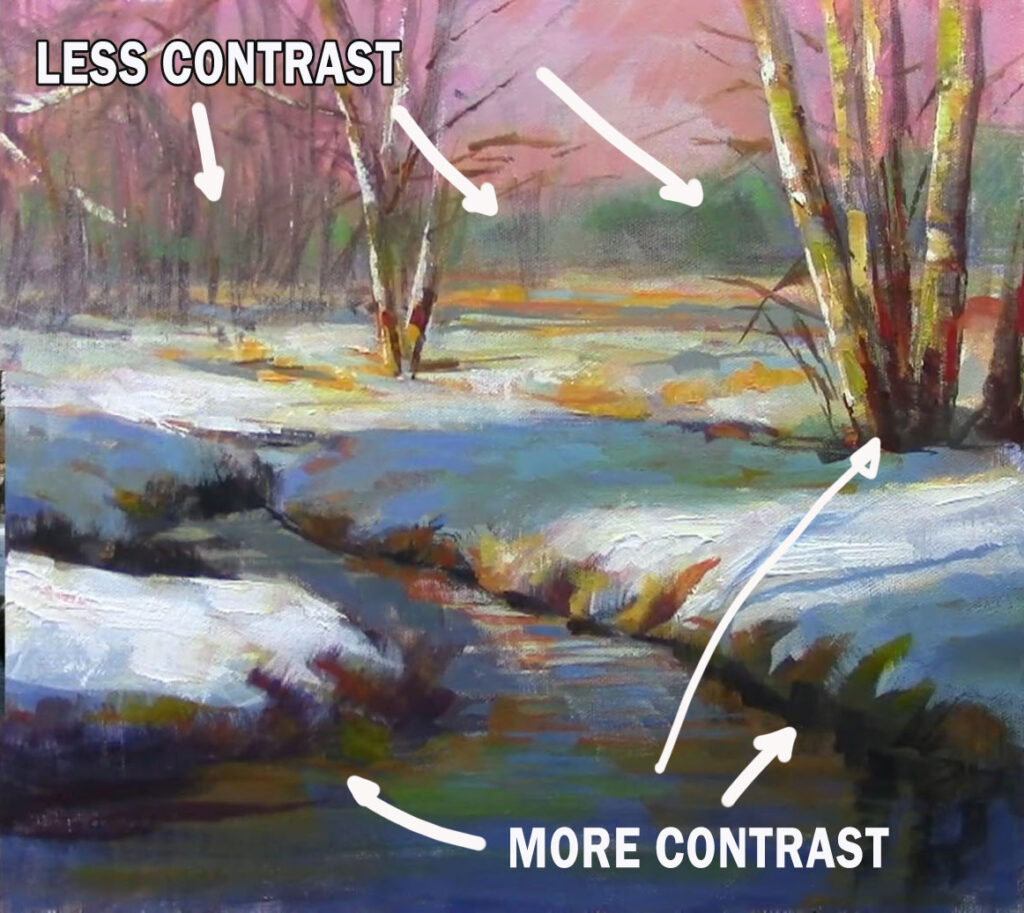
  • Depth layers (foreground = high contrast, midground = moderate, background = low).
  • Blur effects (simulating depth of field).

5. Common Mistakes & How to Fix Them

Problem: A painting looks flat because all objects have the same contrast.
Solution: Increase foreground contrast, reduce background contrast.

Problem: Colors appear unnatural in distant objects.
Solution: Introduce subtle blue/gray tints to faraway elements.

Problem: The composition lacks depth despite correct values.
Solution: Use overlapping shapes and size variation.


Conclusion

Mastering the relationship between distance and contrast is essential for creating believable depth in art. By observing nature and applying principles of atmospheric perspective, color shifts, and compositional depth cues, artists can produce more dynamic and realistic paintings.

Further Study

  • Study J.M.W. Turner’s landscapes for masterful atmospheric effects.
  • Experiment with limited palettes to force depth through temperature shifts.
  • Practice monochromatic studies focusing solely on value contrast.

“You can support my art journey for free by shopping art supplies through my Amazon store—thanks a ton!”: https://www.amazon.com/shop/rensoart


Observation in Painting: How to Train Your Eye Like the Masters

Struggling with your portraits? You might find my E-book helpful. Click here

I remember when I was an art student—young and full of enthusiasm—thinking that painting was simply about applying oil paint to the canvas. That was it. I had learned to paint, but not to plan. It took me much longer to understand the importance of observation—not just a quick glance, but truly seeing and carefully planning how to start a painting.

After years of painting, here’s the observation process I’ve developed:

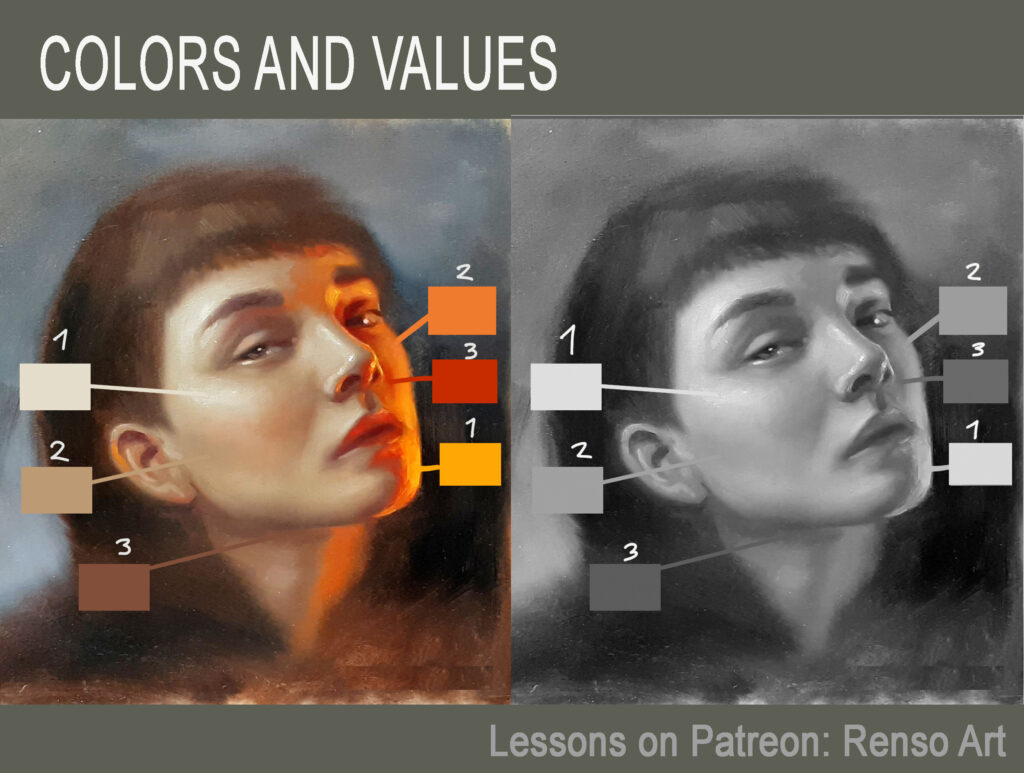
1. Analyzing contrast and values
First, I focus on contrast—where the darkest areas are most intense and where the lightest ones appear. I also assess the proportion of space occupied by each of these zones. This helps me decide whether I’ll need more dark or light colors on my palette. If the darks are very deep, I remind myself to avoid overusing white, which could lead to milky tones. If the painting has mostly light colors, I take care not to muddy them.

Pro Tip from the Masters:

  • Degas kept a “value finder”—a card with small holes to isolate tones
  • Sorolla worked on toned canvases to establish midtone harmony immediately
  • Sargent would squint intensely to simplify values before painting
colors and values

2. Selecting colors
Next, I identify the strength and purity of the colors, as well as the presence of grays. This helps me choose which colors to place on my palette. I typically work with a range of 10 colors, I have more than 30 colors including three shades of yellow, five reds, four blues, four greens, three oranges, and four violets, among others. Since I can’t place them all on my palette, I carefully select the ones that best match the subject in front of me.

Historical Insight:
Vermeer’s limited palette (just 7 pigments!) created his signature harmony. His use of natural ultramarine (more expensive than gold at the time) shows how strategic color investment pays off.

3. Evaluating temperature
Finally, I assess the contrast between light and shadow, this time paying attention to color temperature. I observe whether the light is warm or cool and whether the contrast is strong or subtle. I also analyze warm, cool, and neutral colors—especially the neutrals, as they are the trickiest to identify. I take special care when mixing grays to ensure they remain balanced and harmonious.

  • Atmospheric perspective (Cooler tones recede, warmer advance)
  • Reflected light (As taught by Richard Schmid, shadows contain their light source’s complement)
  • Neutral orchestration (Sargent’s “mud” was actually carefully balanced grays)

Bonus: Old Masters’ Preparation Secrets

  1. Rubens’ Sketch System: Created small oil sketches (modelli) to plan compositions
  2. Velázquez’s Ground Layers: Built complex undertones with colored imprimatura
  3. Turner’s Notebooks: Filled 300 sketchbooks with light observations before painting

Why This Process Matters
As art historian Ernst Gombrich noted, “The artist learns not to copy, but to see.” This analytical approach channels your creativity effectively.

Support my Journey At not cost to you buying Art materials from my Amazon Store: https://www.amazon.com/shop/rensoart


The Day My Teacher Took Away My Black and White Paints – and How I Learned to Avoid Muddy Colors.

Struggling with your portraits? You might find my E-book helpful. Click here

I still remember my first year in art school. I was working on my second still life, and while the volume and structure of my painting were fine, my colors looked milky, and my shadows were muddy and dirty.

As my teacher walked around observing my classmates’ paintings, he stopped at my spot and said:
“Use less white and black.”

The next day, he said the same thing. And the day after that, he took my tubes of black and white paint!

Instead, he handed me a tiny amount of white and told me:
“To lighten your colors, use only lemon yellow and this little bit of white. To darken, use ultramarine blue.” and think about value contrast is not just about color mixing is about color harmony too (this is going to be for another article)

I thought it was impossible—how could I paint without black and white? But I had no choice. For the next three days, I painted this way.

At first, it was frustrating. I had to pay more attention to color mixing. To lighten colors, I used yellow with just a tiny bit of white. Darkening was easier because ultramarine blue is naturally deep.

Then, something amazing happened.

Right before my eyes, my painting became vibrant, clean, and full of life. No more muddy colors—just pure, brilliant color, obviously not on the whole painting, one more thing I learned was about the proportions of colors on a painting, gray down colors (muddy colors 60%), neutral colors(30%) and pure accents(10%).

When my teacher saw my finished painting, he finally gave me my paints back and said:
“You need to learn to control these two colors. It won’t be easy, but remember this lesson every time you squeeze white and black onto your palette.”


Understanding White and Black to avoid muddy colors

White and black are powerful but tricky.

🖌 Too much white → Colors become opaque and milky. Even shadows can turn cloudy, making the painting look dull.
🎨 Too much black → Shadows become heavy and dirty, instead of transparent and natural-looking.

We often overuse these colors without realizing it, so controlling them takes practice.


How to Control Black and White in Your Paintings

Use Alternative Colors

  • For shadows: Burnt umber + ultramarine blue → a deep, dark tone close to black.
  • For highlights: Naples yellow + lemon yellow → a warmer, fresher light instead of a flat white.

Use Complementary Colors for Shadows
Instead of black, use the opposite color on the color wheel to create shadows:

  • Orange shadow → Add blue
  • Red shadow → Add green
  • Yellow shadow → Add purple

Be Careful with White in Shadows
Adding too much white to a shadow will make it flat and lifeless. Shadows should be transparent and glowing, not cloudy.


A Student’s Painting: Before and After

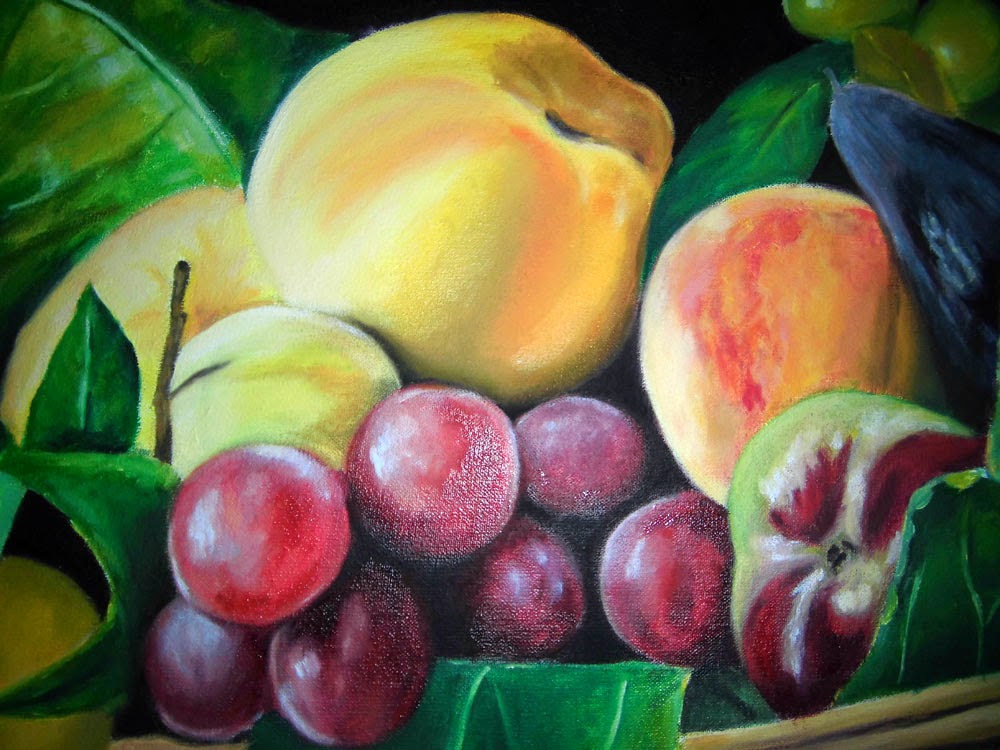
📌 In the first painting, the artist used too much white and black.

  • The lights look milky.
  • The shadows appear heavy and dull.
  • The colors of the grapes are muddy and lifeless.

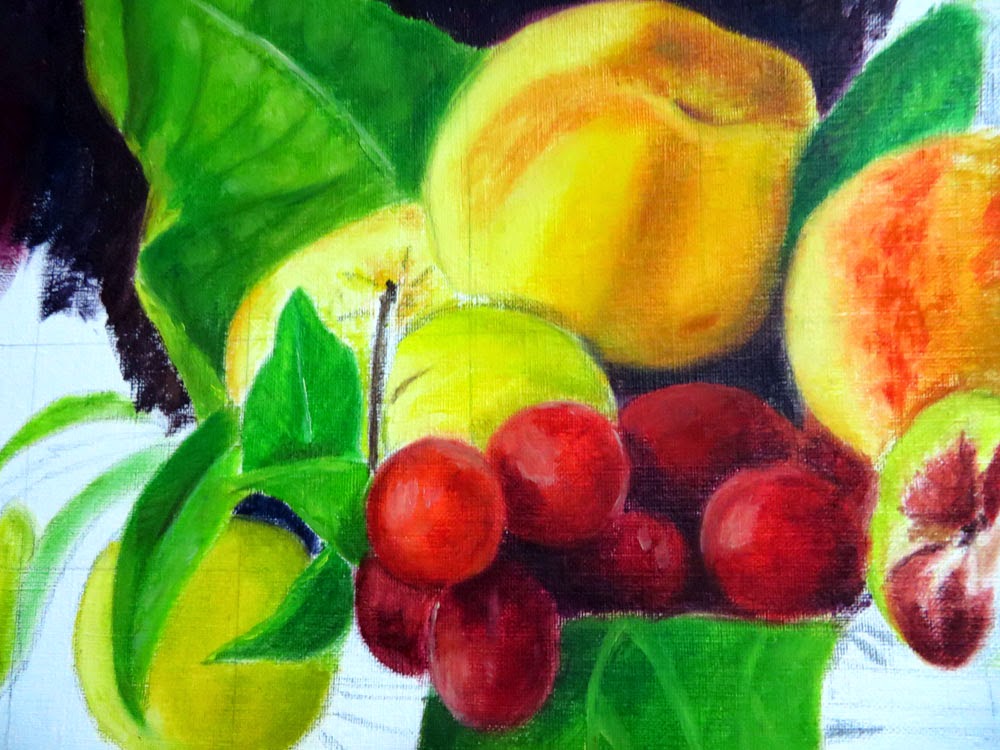
📌 In the second painting, the artist used Naples yellow instead of too much white and avoided pure black in the shadows.

  • The colors are cleaner and more vibrant.
  • The shadows are transparent and glowing.
  • Even though the painting is unfinished, it already looks fresh and full of life.
muddy colors

Final Thoughts

Learning to control white and black takes time and practice, but once you do, your paintings will become more vibrant, cleaner, and full of light.

🌟 Next time you mix colors, remember my teacher’s lesson. Instead of reaching for black and white right away, try using their colorful alternatives first. Your paintings will thank you! 🎨✨

Support my Journey At not cost to you buying Art materials from my Amazon Store: https://www.amazon.com/shop/rensoart

Why is it so hard to capture shape and volume?

Struggling with your portraits? You might find my E-book helpful. Click here

Struggling to define volume and shape is one of the most common challenges for painting students. Volume represents the three-dimensionality of objects, making them appear real to our eyes. If your paintings lack volume, it means your eye is not yet fully trained to perceive and replicate tonal values accurately.

Training Your Eye to See Volume

Developing volume in painting requires visual training. As artists, we spend countless hours observing color mixtures, objects, textures, and transparencies. But simply looking at things isn’t enough—we must actively analyze details, paying close attention to:

  • Shadows
  • Highlights
  • Reflections
  • Contrast levels

This ability to observe and interpret tonal variations is what allows us to create depth and realism in our work.

Using a Cube to Understand Tonal Values

To improve your understanding of tonal values, try painting a simple cube in any color of your choice, preferably using tempera or acrylic paint. These dry quickly, allowing you to repaint as needed.

The cube serves as a visual reference for the three main tones used in painting:

  1. Shadow (darkest side)
  2. Midtone (middle tone)
  3. Light (brightest side)

If you’re painting a lemon, for example, observing a cube in the same color will help you distinguish the necessary shades. To enhance brightness, simply add white to your mixture.

After the cube you can move to this one:


Mastering Soft Transitions and Blending

Achieving the smooth, curved surface of a lemon—or any rounded object—depends on practice with brushwork, especially blending techniques. Start with the cube exercise to grasp the basics of tonal contrast, then gradually introduce more variations to your color mix. Remember, not all lemons are purely yellow—some have greenish areas, subtle color shifts, and reflections.

With experience, you can refine your technique using glazes, allowing you to create stunning, realistic artwork.


Final Thoughts

Defining volume and shape takes time and practice, but training your eye to see and replicate tonal values is the key. By starting with simple exercises like the cube, you’ll build a strong foundation that will improve your ability to paint more complex subjects with depth and realism.

Keep practicing, and soon, your paintings will gain the three-dimensionality that makes them come to life! 🎨✨

values and shapes in painting

Support my Art Journey At not cost to you buying Art materials from my Amazon Store: https://www.amazon.com/shop/rensoart


Warm and Cool Colors in Painting

Think back to a day at the beach—just before sunset. The sun’s golden light spreads across the sky, bathing everything in yellows and oranges. Meanwhile, the sand, once warm and golden at noon, now takes on a violet or purple hue as shadows grow.

Just writing about this scene brings back memories for me. It’s a perfect example of color temperature—the relationship between warm and cool colors that we see around us every day. Sometimes the contrast is subtle, other times it’s strong, but it’s always present. As artists, our job is to capture this balance on canvas.

Warm and Cool Colors

Understanding Color Temperature

In color theory, there is a fundamental principle:
If the light is warm, the shadows must be cool.
If the light is cool, the shadows must be warm.

This contrast in temperature is essential to creating a sense of volume, form, and realism in paintings. If we ignore this rule, our artwork will feel flat or unnatural—even if viewers can’t pinpoint why.

It’s easy to get lost in the flow of painting and forget about theory, but color temperature should always be in the back of your mind—like a soft whisper guiding your brush.


What Are Warm and Cool Colors?

The easiest way to understand color temperature is to think about real-world temperature associations:

Warm and cool colors are categories of colors based on their visual temperature associations. They influence mood, perception, and design aesthetics.

Warm Colors

  • Examples: Reds, oranges, yellows, and some browns.
  • Associations: Fire, sunlight, energy, passion, excitement, and coziness.
  • Effects: Feel inviting, stimulating, and attention-grabbing. Can make spaces feel smaller and more intimate.

Cool Colors

  • Examples: Blues, greens, purples, and some grays.
  • Associations: Water, sky, ice, calmness, serenity, and relaxation.
  • Effects: Create a sense of space (receding effect), tranquility, and professionalism. Can feel refreshing or subdued.
Warm and Cool Colors

Key Differences:

AspectWarm ColorsCool Colors
MoodEnergetic, vibrantCalm, soothing
Spatial EffectAdvance (feel closer)Recede (feel farther)
Common UsesFood, entertainment, autumn themesHealthcare, tech, winter themes

Exceptions & Nuances:

  • Some colors can be warm or cool depending on undertones (e.g., a red with blue undertones may feel cooler).
  • Neutral colors (white, black, gray, beige) can lean warm or cool based on their base hues.

Understanding these categories helps in art, interior design, branding, and fashion to evoke specific emotions and effects.


Great! Using warm and cool colors effectively in portrait painting can enhance depth, mood, and realism. Here’s how to apply them:


1. Skin Tones: Balancing Warm & Cool

Human skin is never just one temperature—it’s a mix of both:

  • Warm areas (where blood flows closer to the skin):
  • Cheeks, nose, ears, fingertips.
  • Use peachy pinks, golden yellows, or reddish tones.
  • Cool areas (where shadows or light scatter):
  • Under the chin, eye sockets, sides of the face, neck.
  • Use muted blues, greens, or lavender grays.

Tip: Shadows aren’t just darker—they’re often cooler. A common mistake is using only black/brown for shadows, which flattens the portrait.


warm and cool colors in painting

2. Background & Lighting

  • Warm light (e.g., sunlight, candlelight):
  • Casts warm highlights but creates cooler shadows (due to contrast).
  • Cool light (e.g., overcast sky, moonlight):
  • Creates bluish highlights but warmer shadows.

Example: A portrait lit by a sunset might have:

  • Warm orange-gold light on one side.
  • Cool purple-blue shadows on the other.

3. Emotional Impact

  • Warm dominance: Feels lively, passionate, or intense (e.g., a fiery red background for drama).
  • Cool dominance: Feels serene, melancholic, or detached (e.g., a blue-green backdrop for a pensive mood).

Pro Tip: Use temperature contrast to guide the viewer’s eye. A warm face against a cool background pops forward.


4. Color Mixing Tricks

  • Avoid muddy skin tones: Mix warm and cool pigments carefully. For example:
  • Warm shadow = Burnt Sienna + Cadmium Red.
  • Cool shadow = Ultramarine Blue + Alizarin Crimson.
  • Highlight with opposites: A touch of cool (e.g., cerulean) in warm highlights adds vibrancy.

5. Artist Examples

  • Rembrandt: Used warm golden lights against deep cool browns for dramatic depth.
  • John Singer Sargent: Balanced warm skin tones with cool, loose background strokes.

Exercise: Paint a portrait using only warm colors for light areas and cool for shadows (or vice versa) to see the effect.

Final Thoughts

Understanding warm and cool colors is one of the most powerful tools in painting. It helps create depth, atmosphere, and emotion. Mastering this concept will take your artwork to the next level—so keep practicing, observe nature, and let color theory become second nature!

🎨 What are your favorite warm and cool color combinations? Let’s discuss! 😊

“You can support my art journey for free by shopping art supplies through my Amazon store—thanks a ton!“: https://www.amazon.com/shop/rensoart


How to Lighten and Darken Colors using Colors and Contrast

Struggling with your portraits? You might find my E-book helpful. Click here

First, let’s start with what not to do. I once saw a TV program where a craft instructor demonstrated painting techniques. Their advice for lightening and darkening colors was simply to use white and black—it works but painters have a different approach. While white is often used to lighten colors, black should not be used to darken them unless we are painting something truly black.

Here’s why: If we lighten every color with white, we drain the life from them, leaving them pale, milky, and dull. If we darken with black, we kill the vibrancy and depth of the colors, making them look muddy and lifeless.

For example, if we want to lighten green, adding white will create a faded, washed-out green. Instead, using yellow will produce a much livelier and more natural effect. On the other hand, if we try to lighten blue with yellow, we’ll end up with green—so in that case, white is the best choice. If we lighten red with white, we get pink, whereas adding yellow creates orange. From there, we can further adjust with a balance of yellow and a touch of white.

The choice of how we lighten colors also depends on the lighting in our scene. Imagine we’re painting a still life:

  • On a bright, sunny day, sunlight dominates, meaning we’ll use more yellow to brighten the colors.
  • In a softly lit indoor scene, the lighting is more muted, requiring more white for highlights. However, we must be careful—if an object is naturally dark, the light won’t make it much brighter, so we won’t need as much yellow or white to depict its highlights.

Sounds a bit complicated? That’s because color theory in painting is one of the most crucial—and challenging—areas to master. There are many factors to consider.

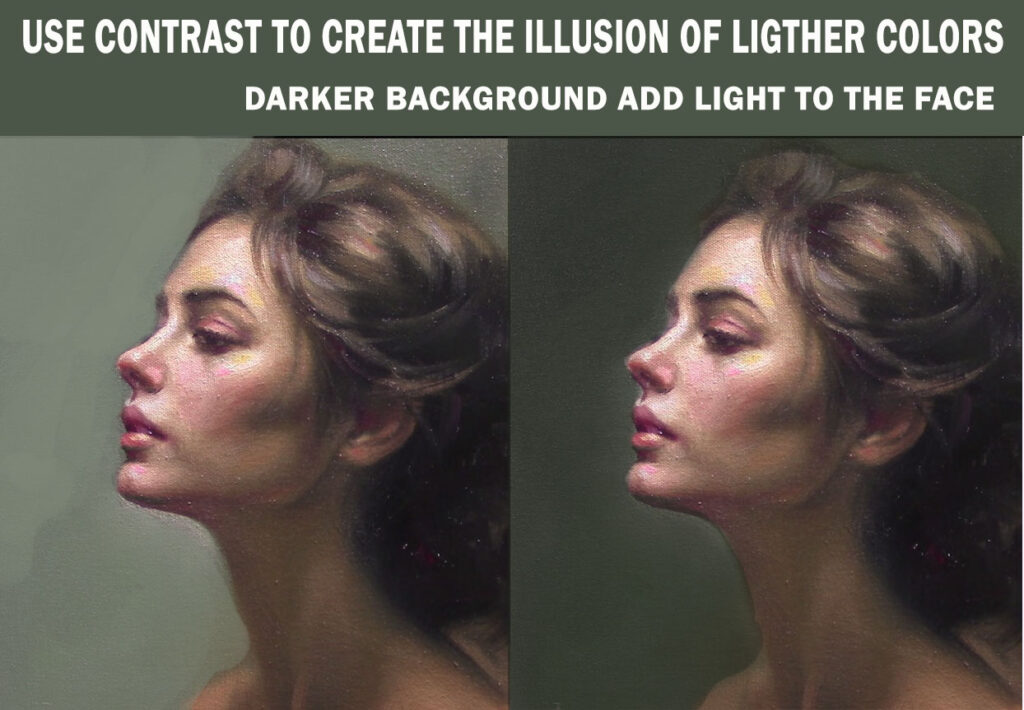
The answer is in Contrast

Another way to create the illusion of brightness is through contrast. This brings up an important question: Are we tonal painters or colorists?

  • Tonal painters focus on the contrast between light and shadow.
  • Colorists emphasize the vibrancy and interaction of colors themselves.

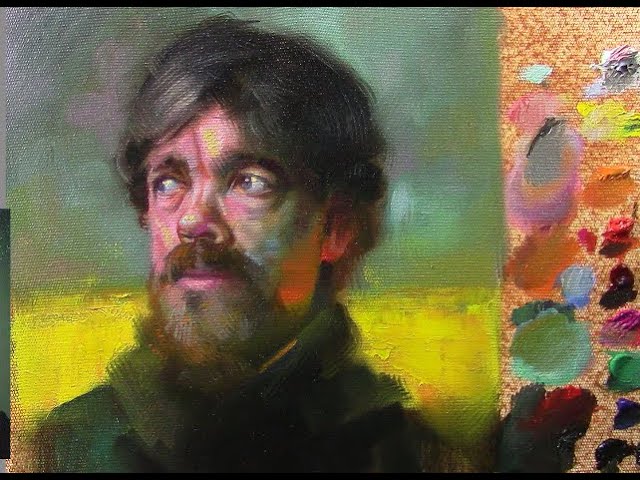
Here’s an example: A colorist would brighten an object by using more yellow and increasing color contrast. If we have an orange object against a blue background, the complementary contrast will naturally make the orange appear brighter and more intense.

A tonal painter, on the other hand, would rely on light and dark contrast. If they were painting a yellow object, they might surround it with darker colors to make the yellow appear lighter by comparison. This demonstrates how colors can be brightened in multiple ways.

Value Contrast:

Color Contrast:

Darkening Colors using complementary colors

Darkening a color follows a fundamental rule in color theory: To create a rich, deep shade, we mix the color with its complement and add a touch of blue—typically ultramarine blue.

By following this method, we achieve vibrant dark colors instead of dull, lifeless tones. Imagine darkening yellow with black—it results in a murky, greenish color that looks unnatural. But if we darken yellow by mixing it with its complementary color (violet), we get a variety of rich ochres, depending on how much violet is added. Try it and see the difference!

Support my Journey At not cost to you buying Art materials from my Amazon Store: https://www.amazon.com/shop/rensoart


How to mix Basic Skin Colors for Beginners

Struggling with your portraits? You might find my E-book helpful. Click here

While this technique isn’t a universal method for mixing skin tones in every portrait, it can be a helpful starting point, particularly for Alla Prima painting. If you’re a beginner aiming for quick and effective results, practicing with a limited palette to create skin colors can be an excellent way to build your skills and confidence.

The Colors You’ll Need

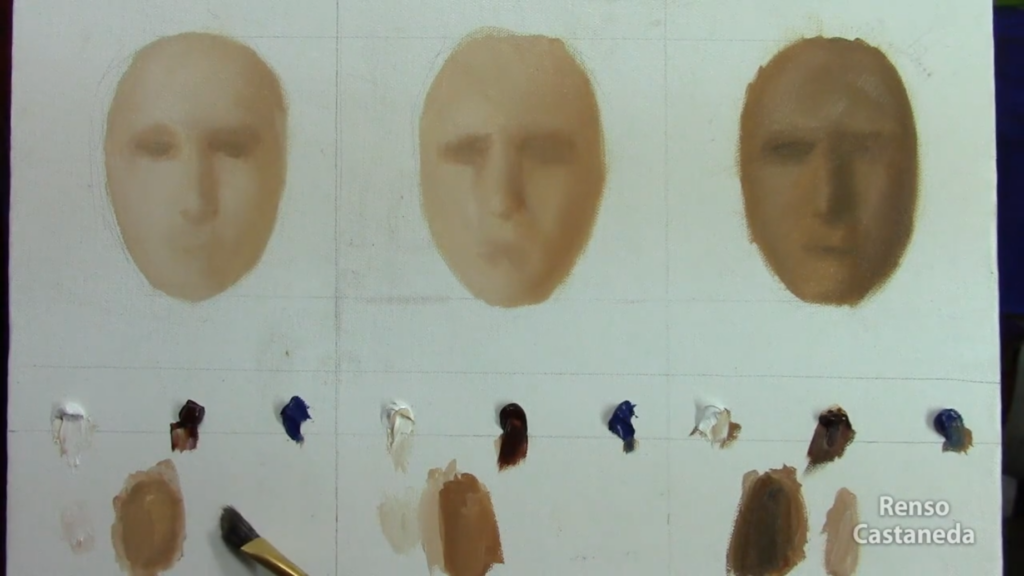
This technique is very simple, and the key is learning how to create natural-looking skin tones with minimal colors. Here’s all you need:

  • Titanium White
  • Burnt Sienna
  • Ultramarine Blue

That’s it! No additional colors are needed to paint basic skin colors.

Understanding Skin Colors

The skin tone you achieve will depend entirely on the amount of white in your mix:

  • For fair skin → More white, a little sienna, and almost no blue.
  • For medium skin → A balanced mix of white, sienna, and a bit of blue.
  • For dark skin → Less white, more sienna, and more blue.

💡 Tip: Mixing just white and sienna results in an unnatural, crude skin tone. Adding a touch of ultramarine blue neutralizes the mix, creating a more natural skin color.

The Importance of a Strong Foundation in Drawing

Before focusing on painting skin tones, you must first have a well-structured face drawing. If the structure is incorrect, no matter how well you handle volume, color, or lighting, the portrait won’t look right.

Once the drawing is solid, you need to understand volume—this is what creates the three-dimensionality of the head, eyes, nose, and facial features.

Practical Exercises

How to mix Basic Skin Colors for Beginners

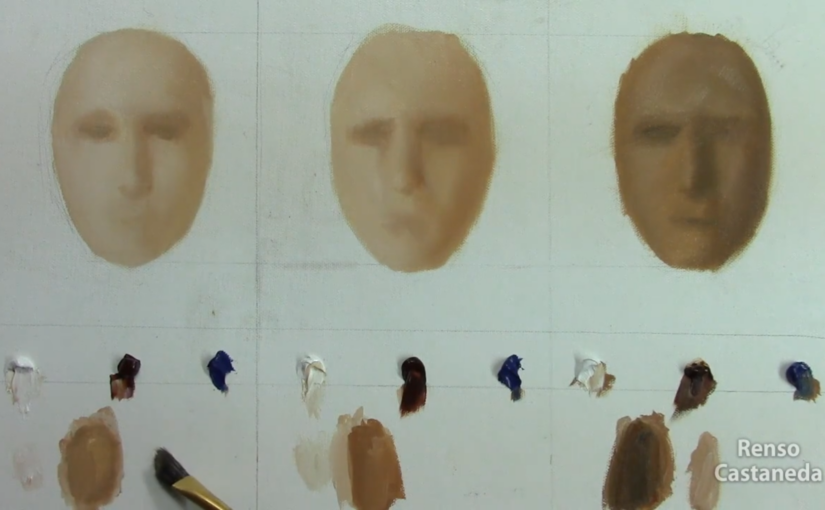
Here’s how the skin tones change with different color ratios:

1️⃣ First Exercise

  • Colors: Titanium White + Burnt Sienna (almost no blue)
  • Result: A very fair skin tone

2️⃣ Second Exercise

  • Colors: Less white, the same amount of sienna, and a little more blue
  • Result: A more balanced, natural skin tone

3️⃣ Third Exercise

  • Colors: Even less white, more sienna, and more blue
  • Result: A darker skin tone

At the end, you can apply glazes to add color variations and depth to your painting.

How to mix Basic Skin Colors for Beginners

I hope this simple guide helps you start painting portraits and achieving skin tones easily! 🎨😊

Support my Art Journey At not cost to you buying Art materials from my Amazon Store: https://www.amazon.com/shop/rensoart